





Why You Should Replace the Transmission Filter
The Transmission system is a key part in ensuring that your vehicle runs properly. One of the parts of the Transmission system that is frequently ignored is the transmission filter, but it is necessary to consider replacing your Transmission filter.
In this article we will cover the significance of changing your Transmission filter, how it will help maintain the functioning of your vehicle, and what signs you should pay attention to that may inform you of the need to change your Transmission filter.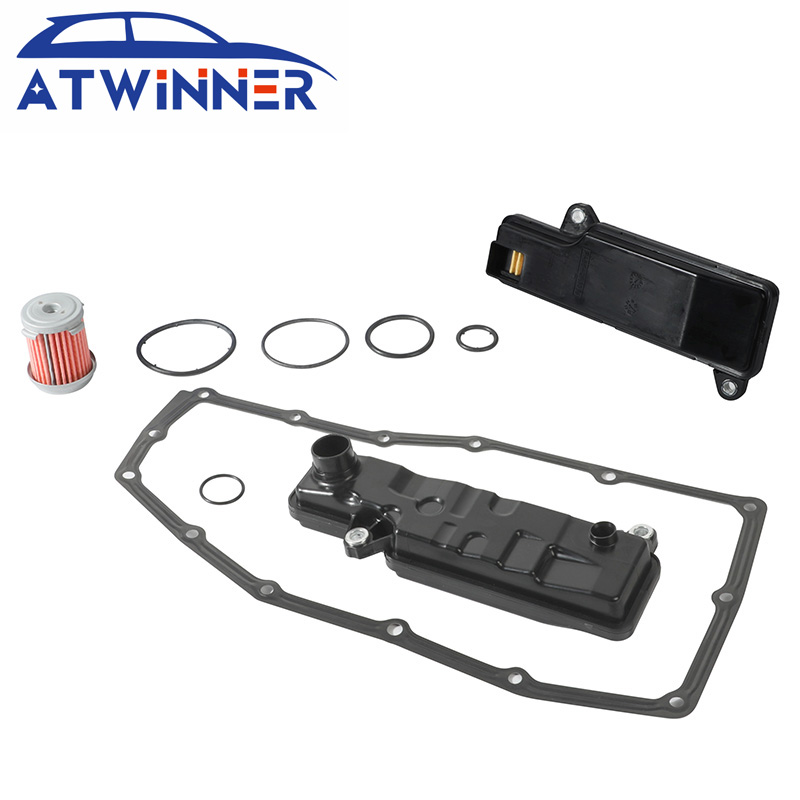
What Does a Transmission Filter Actually Do?
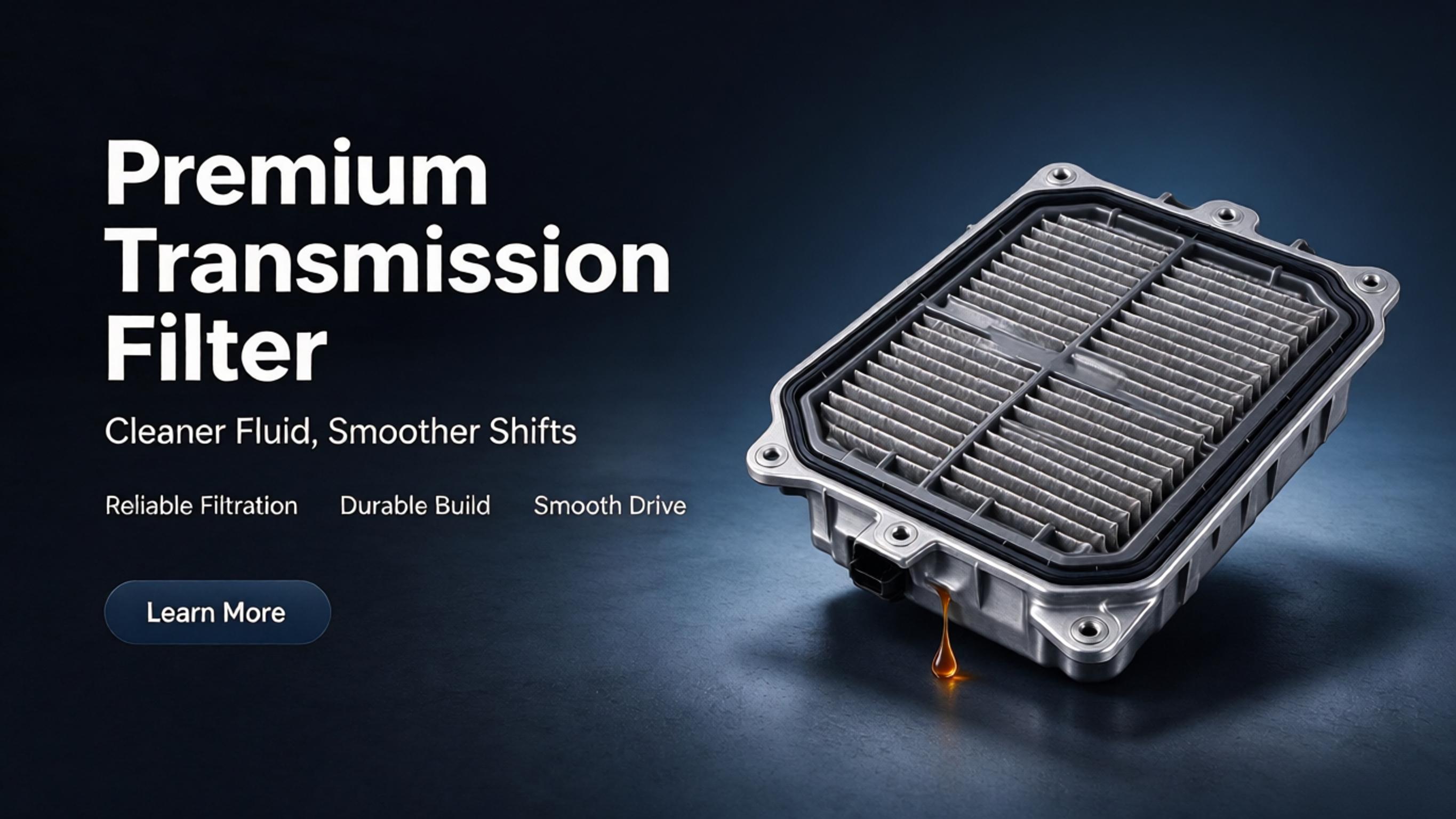
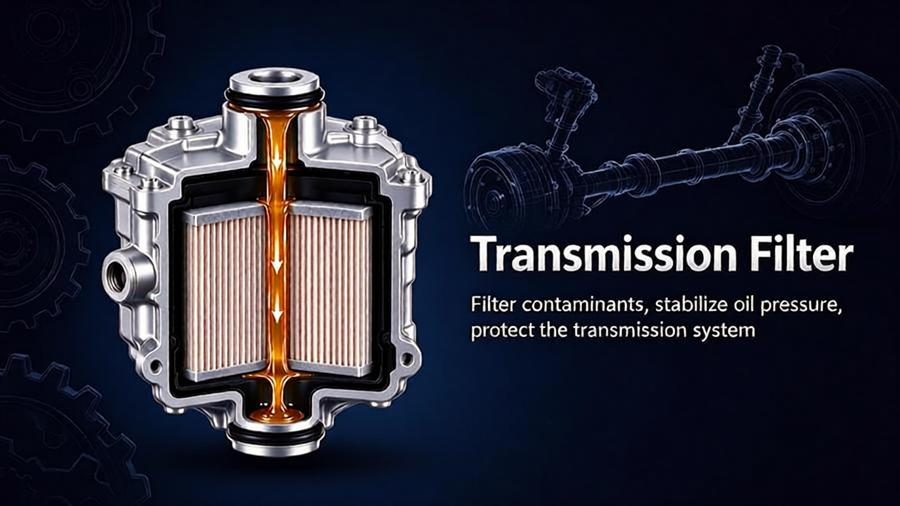
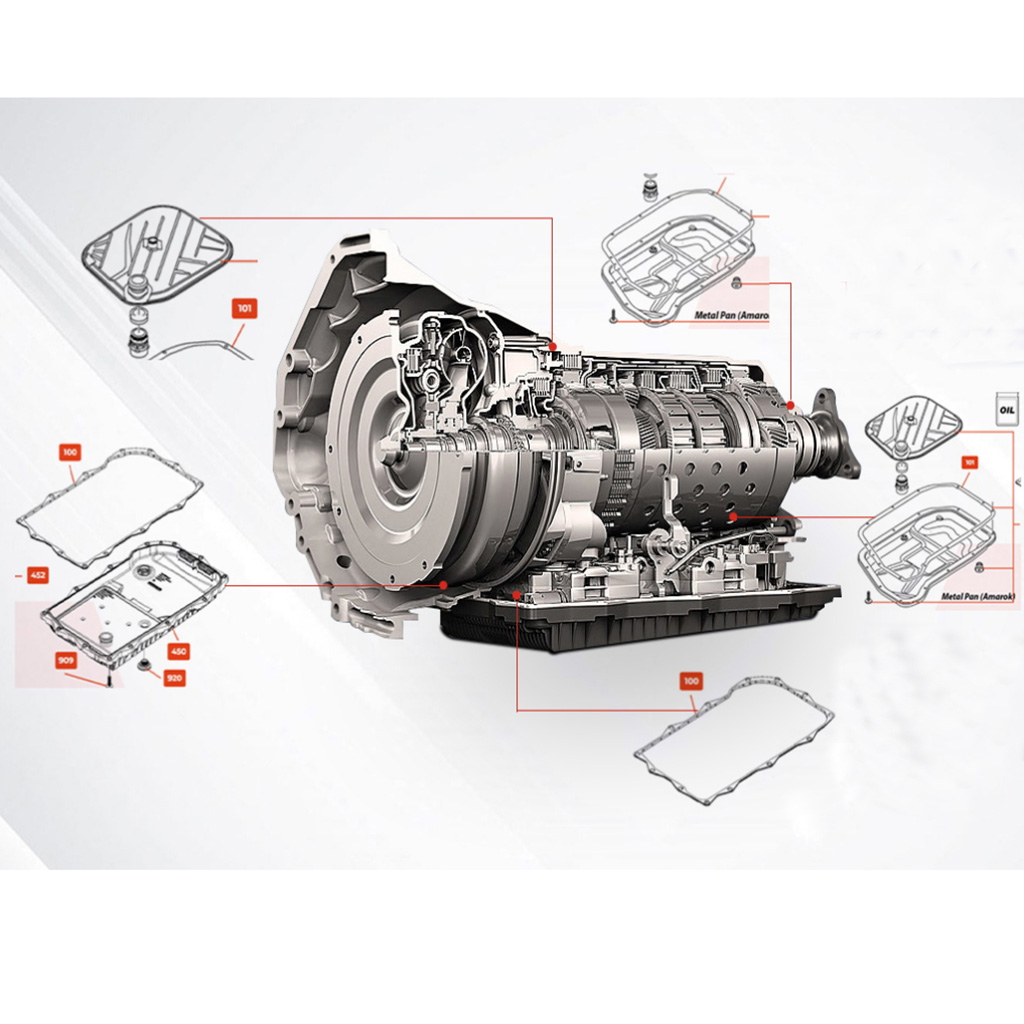
The oil transmission filter acts as a bouncer for your transmission system, filtering out trash, dirt, and metallic particles from the transmission fluid while allowing it to function properly in a continuous way. However, over time, the oil transmission filter accumulates dust and dirt and becomes clogged and ineffective causing lots of problems in the entirety of the oil transmission system, and I assure you, a malfunctioning transmission will cost you a fortune in repairs!
How Do You Know It’s Time to Replace the Transmission Filter?
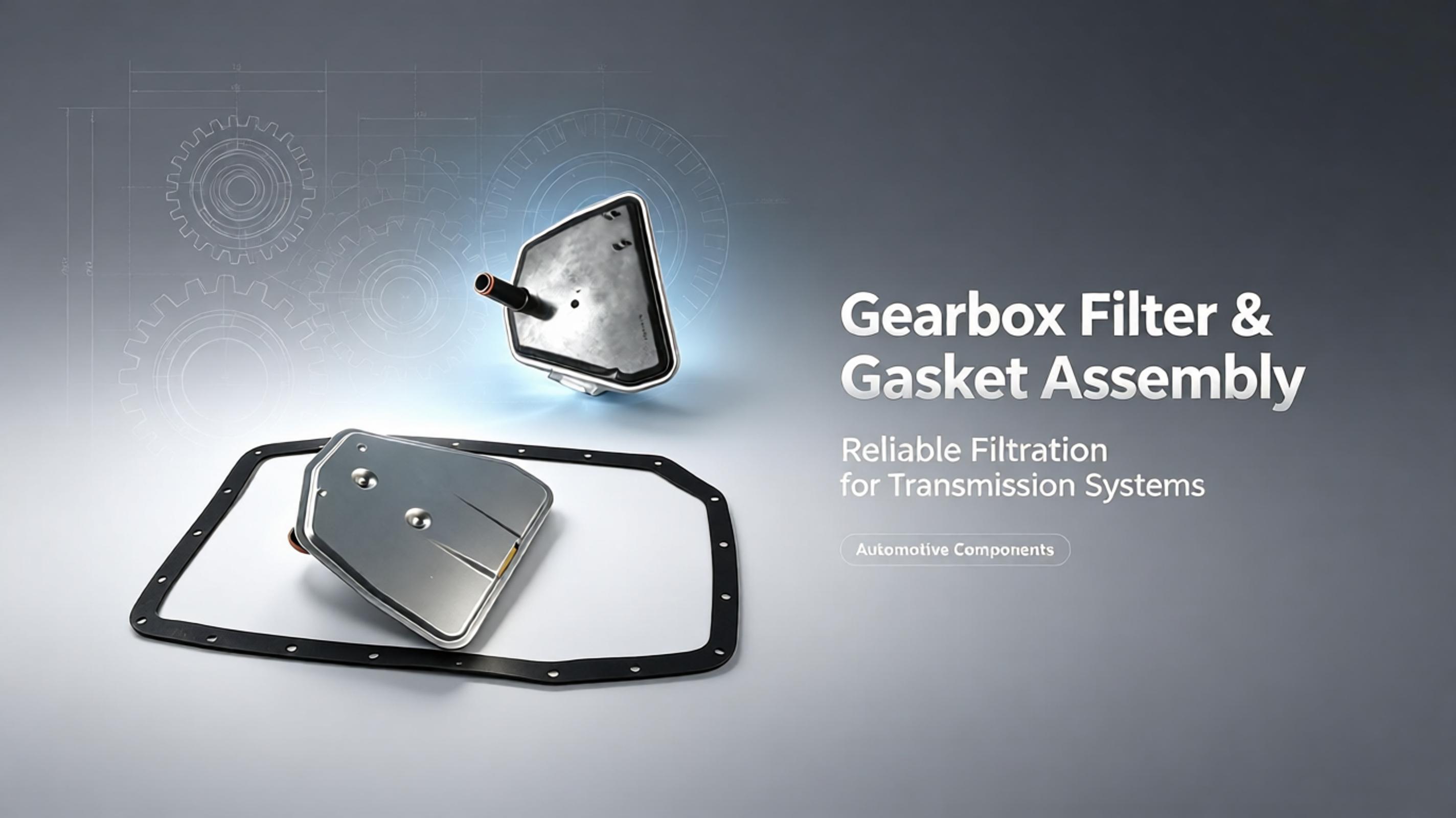
In case you overlook the condition of your Gearbox Filter, you might be oblivious to the fact that it has deteriorated beyond repair. There are a few indicators that will signal your vehicle's poor gearbox filter's status. To discover more, read the following tips:
1. Gears start slipping: Your vehicle's transmission will not shift properly and will begin to slip if the transmission filter is obstructed.
2. Odd noises: If you have had any odd noises, such as grinding or vibrations coming from your vehicle, it may be that items within your vehicle's mechanism are producing disturbances.
3. Leaking fluid: The presence of red or brown liquid on your driveway or the smell of burnt liquid could mean major trouble. You may have a defective filter.
How Often Do You Really Need to Replace It?
The question "How often should I change my Automatic Transmission Fluid Filter?" is one that many individuals ask on a yearly basis. Car specialists usually recommend changing the filter after every 30,000-60,000 miles. Nevertheless, changing the filter mainly depends on the type of car in use as well as the way it is driven. If one constantly moves in busy city centers and carries heavy loads often, the filter needs to be changed more frequently. To know exactly how often the filter should be changed, it is always a good idea to check the manufacturer's information in the car manual.
Perks of Changing the Transmission Filter
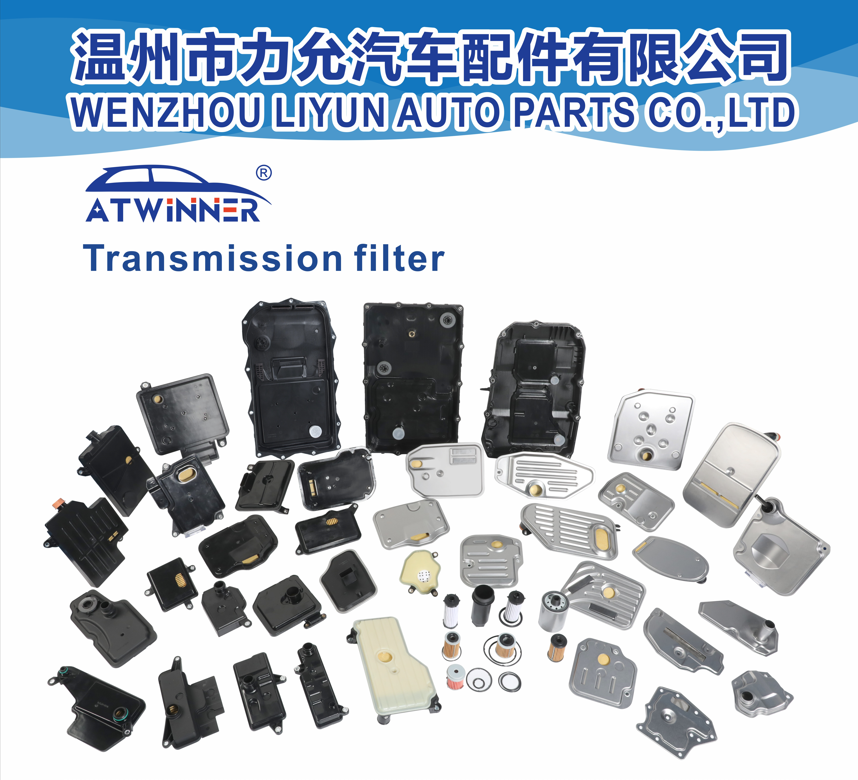
There are some amazing reasons to purchase an auto transmission filter kit. This maintenance item may appear to be minor, but is actually very important! Having said that, let us provide you with some example reasons as to why it is worthwhile to invest in replacing it.
1. Smoother driving: A clean filter means clean fluid, and clean fluid helps your car switch gears like a dream.
2. Long-lasting transmission: Replacing your filter now can save you from paying for a costly new transmission down the road.
3. Better gas mileage: The more efficiently your transmission works, the less strain will be put on the other parts of the car (like the engine), which results in lower consumption of petrol and more money saved.
FAQs about Transmission Filters
How long does it take to replace the transmission filter?
Thanks to car repair being quite simple, it ranges between 1 and 3 hours depending on the type of car and if the repairman is a pro or not.
Can I keep driving if my transmission filter is clogged?
Driving with a slow-moving filter may be feasible but is usually not advisable, as clogged filters could lead to significant transmission issues that can be quite expensive to fix. In general, it is preferred to deal with your problems sooner rather than later.
What Happens If You Don’t Replace It?
Failing to replace your transmission filter is comparable to handling fire without any caution – one is bound to face unfortunate consequences sooner or later! In course of time, the transmission filter gets clogged and loses its abilities to protect the components from dirt and impurities. This means that your transmission may be exposed to higher pressures than usual in its operation, which may lead to overheating and malfunctioning of the assembly and even total failure! Honestly speaking, repairing or rebuilding a whole transmission is extremely costly, boring, and complicated.
Final Thoughts
The process of replacing the transmission filter at the end of its life cycle is not only performed for the reason of the maintenance schedule calling for its replacement but more importantly it will ensure your vehicle’s operations without any future problems and help you avoid costly headaches later. Be aware of how your vehicle performs and pay attention to any indications or warning signs that should not be neglected. The task is among the simplest and most important ones for maintaining the good operation of your car. By performing timely filter replacement you can drive your car with confidence and achieve the best performance on the road.