




What is a Transmission Filter?
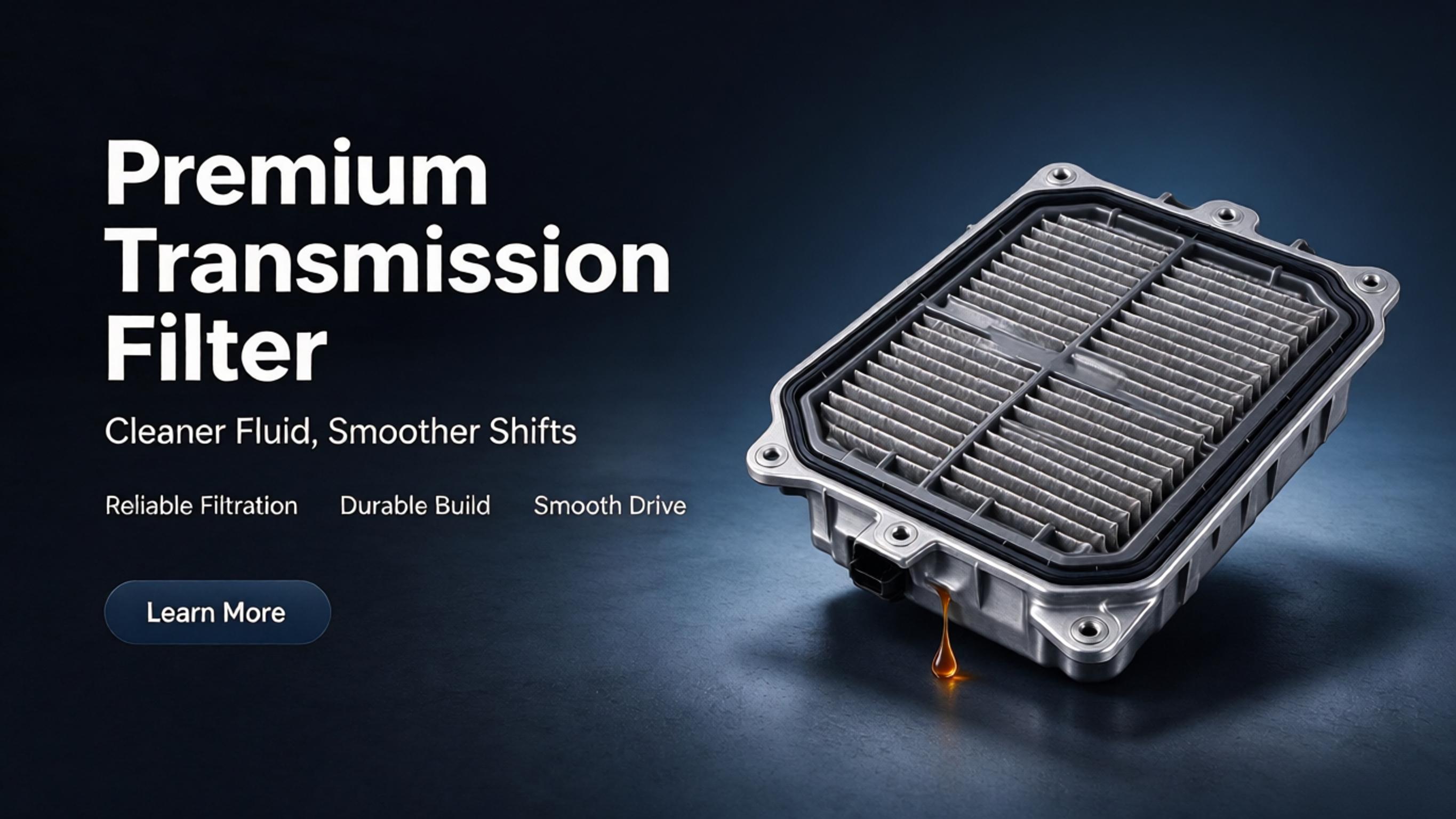
The transmission filter is a key part that assures the efficient operation and durability of the automatic transmission system in cars. With rapid advancements in automotive technology, many car owners are beginning to pay more attention to performance and upkeep of the transmission system, especially with the costs of repairs rising. By making sure the transmission system is well-maintained and by replacing the transmission filter regularly, motorists will be able to improve the efficiency of their vehicles and avoid unexpected breakdowns. In this article, readers will learn about the transmission filter, its operation, possible signs indicating the need for transmission filter replacement, the significance of regular maintenance, and answers to frequently asked questions regarding this component.
Understanding the Transmission Filter: How Does It Work?
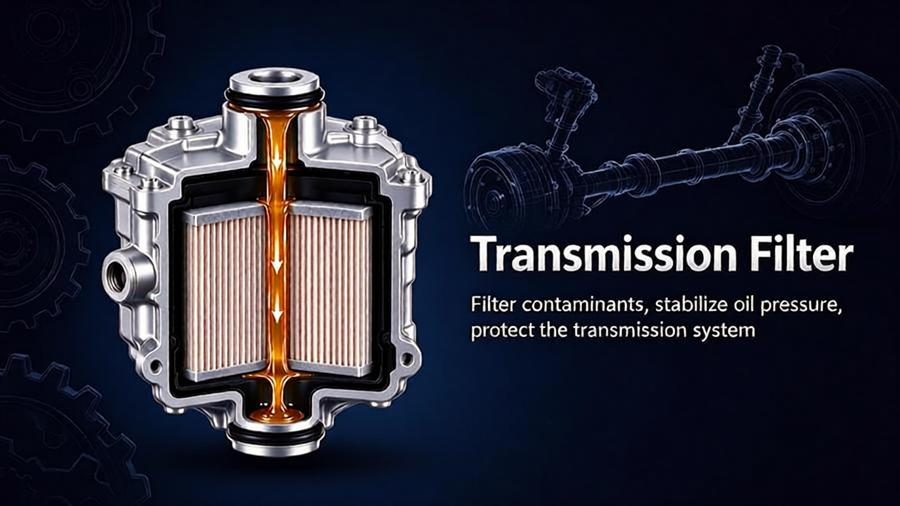
Automatic transmission functions by employing mechanical, hydraulic, and electrical systems. The use of lubrication prevents the wearing out and friction between metal parts. Transmission fluids act as lubricants, coolants, and hydraulic pressure providers during shifting. However, during the vehicle's operation, particles, debris, and metal shavings are found in transmission fluid . The transmission filter is used to clean transmission fluid from these harmful particles and prevent blockage of the system.
The transmission filter is usually composed of several thin layers of mesh or synthetic fiber. The filter is located in the transmission pan and works in conjunction with the fluid pump. When the engine is operating, the transmission fluid travels through the filter to cleanse itself of unwanted impurities. If the filter does not perform its function, it will let impurities move freely through the transmission causing issues with shifting, noise, overheating, and possibly a failed system.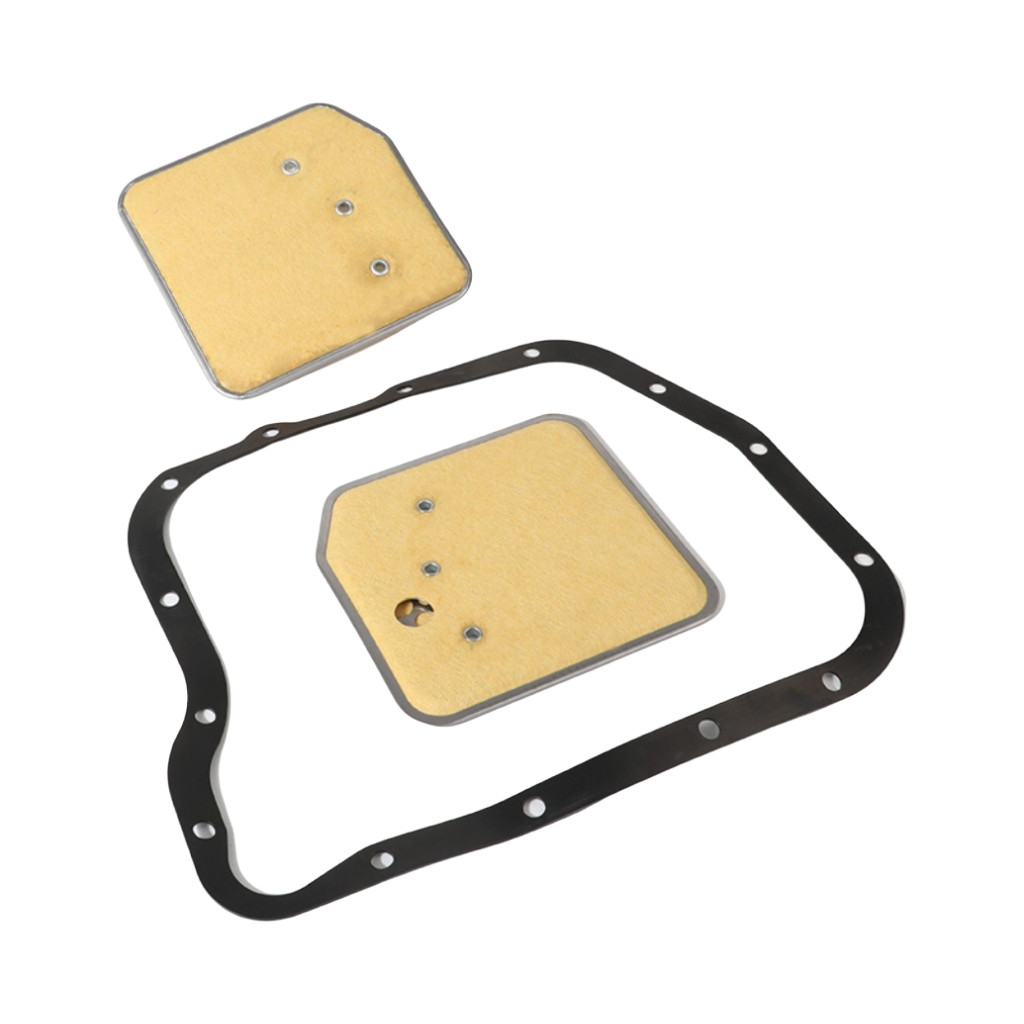
Types of Transmission Filters: OEM vs. Aftermarket Solutions
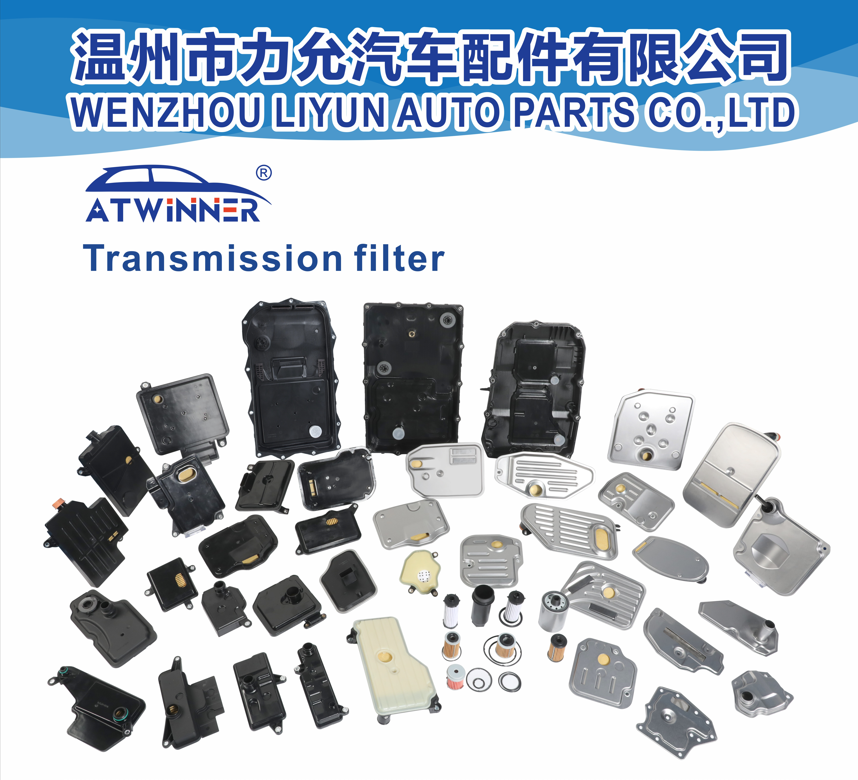
Different forms of transmission filters exist based on the model of the vehicle, style of transmission — automatic transmission, CVT, dual-clutch, etc. — and the guidelines set by the manufacturer.
OEM transmission filters are manufactured by the original equipment manufacturer and cater specifically to your vehicle brand and type. These filters generally provide better fit, function, and life. On the other hand, aftermarket transmission filters are available in a wide variety of types and prices. Well-known brands may provide effective transmission filters that are of good quality and meet standards that are at least equal to the OEM filters, but cheap products may be of bad quality, resulting in potential problems such as poor sealing, lower filtration ability, and compatibility issues.
Before you opt for replacing the transmission filter, you need to refer to your owner’s manual to look for guidance and stock up from trustworthy suppliers. Certain brands in the aftermarket sector may also provide you with options for improved performance and extended durations between changes, as well as better filtration materials.
Why Is Transmission Filter Replacement Important?
When it comes to the most frequently asked question by drivers, is it necessary to replace the transmission filter, the answer is definitely in the affirmative. Changing the transmission filter is very important for the maintenance of the transmission system, and missing this crucial step can lead to costly repairs and replacements in the future.
The transmission fluid is responsible for several tasks, such as lubricant and temperature regulator. It is important because, after heavy usage, even the best fluid will wear off and pick up tiny particles. The transmission filter ensures that contaminants do not reach crucial components like solenoids, valves or clutch packs.
Depending on the make and model, manufacturers may recommend changing the transmission filter every 30,000–60,000 miles. However, driving conditions, climate, and habits can alter these guidelines. If you regularly tow heavy loads or drive in stop-and-go traffic, your filter may need attention sooner. Routine filter replacement helps:
- Improve operational life of the transmission system
- Ensure smooth and effective shifts
- Avoid overheating and unnecessary wearing
- Maintain warranty conditions
Failing to replace the filter could lead to sluggish shifting, slipping gears, and even total transmission failure—which can cost thousands of dollars to fix. For this reason, investing in transmission filter replacement is well worth the price.
Signs You Need a Transmission Filter Replacement
Modern cars often have warning sensors, but some signs of a failing transmission filter are easy to spot even without technology. Paying close attention to these symptoms can help prevent costly problems and keep your vehicle running efficiently.
- Unusual noises: Whining, buzzing, or grinding sounds when shifting gears can indicate restricted fluid flow caused by a clogged filter.
- Delayed or rough shifting: If your vehicle hesitates to shift or skips gears, contamination from a dirty filter may be impacting the transmission.
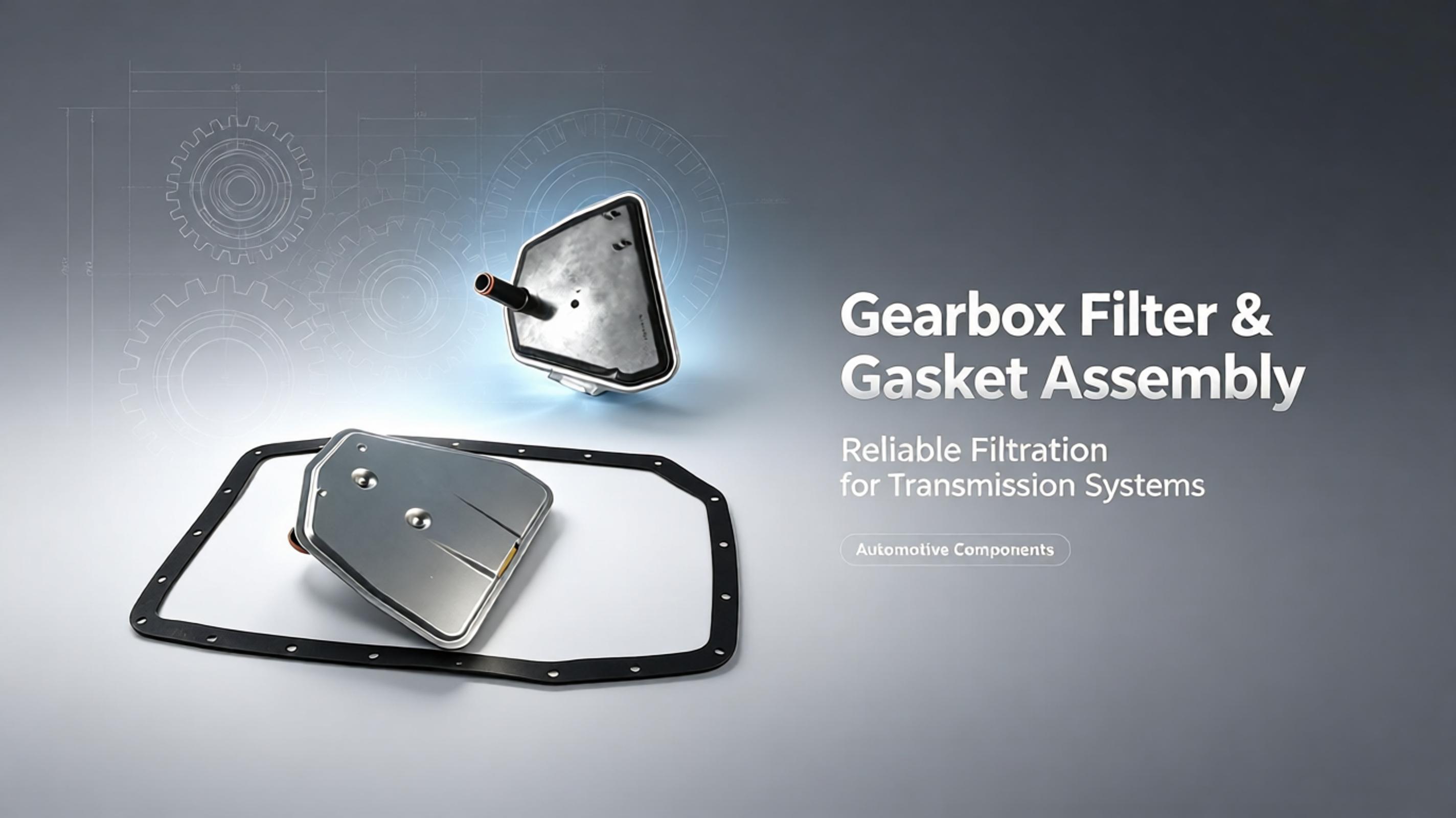
- Fluid leaks: Damaged filter gaskets can allow transmission fluid to escape, leading to under-lubrication and overheating.
- Burning smells: Old or contaminated fluid due to a blocked filter may cause overheating, resulting in a noticeable odor.
- Transmission warning light: Some vehicles will alert you on the dashboard when transmission fluid levels or pressure are abnormal.
If you notice any of these symptoms, scheduling a diagnostic check with a trusted mechanic is wise. They may recommend both a transmission fluid change and a transmission filter replacement for optimal results.
Transmission Filter Maintenance: Step-by-Step Process
Replacing a transmission filter is typically performed alongside a fluid change. While some experienced DIYers can handle the task, many choose to have professionals do it, especially as modern transmissions can be complex. Here’s a general overview of the process:
First, the vehicle is securely lifted, and the transmission pan is removed. The old filter is then detached, along with its gasket or O-ring. Next, the mechanic inspects the pan for metal shavings or sludge—signs of internal wear. After cleaning the pan and installing the new filter and gasket, fresh transmission fluid is added according to manufacturer guidelines. Finally, the vehicle is test-driven to confirm proper operation, and fluid levels are double-checked.
It’s essential to use the correct type of filter and fluid for your vehicle. Incorrect parts can lead to leaks or devastating internal damage. If your vehicle has a sealed transmission (common on newer models), filter replacement may require specialized tools and expertise. Always check your vehicle’s service manual or consult a professional to avoid unnecessary risks.
Choosing the Right Transmission Filter for Your Vehicle
With dozens of brands and models on the market, selecting the ideal transmission filter can seem overwhelming. Here are a few smart pointers to help:
- Vehicle compatibility: Always check the year, make, and model. Compatibility ensures the filter fits perfectly and functions as intended.
- Quality and material: Choose filters made from durable materials, ideally designed for high-temperature resistance and effective debris capture.
- Certified brands: Stick to reputable manufacturers. Brands with industry certifications or those recommended by your vehicle’s manufacturer tend to deliver superior performance.
- Comprehensive kits: Some filter sets include gaskets, O-rings, and even fluid. These packages are often convenient and cost-effective.
- Professional advice: If uncertain, consult with your mechanic or a transmission specialist. A small investment in expert guidance can save significant money later.
Online reviews and forums also provide valuable insights into the reliability of certain filters. Choosing wisely means fewer repairs and a smoother driving experience.
FAQ: Common Questions about Transmission Filters
Is it worth replacing a transmission filter?
Absolutely. Transmission filter replacement is one of the most cost-effective ways to preserve your transmission’s health and your vehicle’s overall performance. Allowing a filter to become excessively clogged can lead to symptoms like erratic shifting or overheating, and ultimately result in expensive repairs or complete transmission failure. Regular replacement also ensures that your vehicle complies with warranty requirements and maintains resale value.
How often should I change my transmission filter?
Most manufacturers recommend changing the filter every 30,000–60,000 miles, but this interval can vary based on driving habits, environmental conditions, and vehicle type. Frequent towing, stop-and-go traffic, or driving in extreme weather may require more frequent changes. Always check your owner’s manual for specific recommendations.
Can I replace the transmission filter myself?
While experienced DIYers may be able to handle replacement for some vehicles, many transmissions are now sealed or require advanced tools. If you have doubt or lack the proper equipment, seeking professional service is strongly advised. Incorrect installation can lead to leaks, performance problems, or even more costly transmission repairs.
What happens if the transmission filter is not replaced?
Neglecting filter replacement can cause contaminants to circulate through the transmission, leading to rough shifting, overheating, and accelerated wear. Over time, this results in poor performance, breakdowns, or total transmission failure. Given the cost of transmission repairs, timely filter replacement is one of the best ways to protect your investment.
Is a transmission filter replacement included with a fluid change?
Often, yes. Many shops offer combined transmission service packages that include both fluid and filter replacement. This approach ensures maximum cleanliness and helps preserve optimal performance. Always clarify with your service center whether filter replacement is part of the scheduled transmission service.
Transmission Filter Replacement Costs: What to Expect
The price of replacing a transmission filter depends on several factors: vehicle make and model, labor costs in your area, and whether you opt for OEM or aftermarket filters. On average, professional service ranges between $100 and $250, including parts and labor. High-performance vehicles, sealed transmissions, or certain imports may cost more due to specialized components and added labor.
DIY replacement is possible for some vehicles, lowering costs significantly, but it’s important to factor in the price of correct tools, fluids, and gaskets. Scrimping on quality or skipping steps may save money upfront but could lead to far higher expenses later. Investing in proper service and reputable parts is always wise.
Preventive Maintenance: Maximizing Transmission Life
Many drivers focus on engine oil changes or brake checks, but the transmission often gets overlooked—until there’s a problem. By integrating transmission filter replacement into your regular vehicle maintenance, you not only keep your transmission running smoother but also help avoid costly surprises.
Preventive maintenance also involves checking fluid levels, inspecting for leaks, and monitoring the performance of your transmission. Mechanics often advise a comprehensive inspection every time a filter is replaced, which includes checking solenoids, valve bodies, and pans for signs of excess wear or contamination.
Reliable record-keeping further helps. Maintain a log of each service, including replacement intervals, type of filter used, and the shop or technician who performed the work. This information is invaluable when assessing future needs, addressing warranty inquiries, or preserving the vehicle’s resale value.
Transmission Filters and Modern Technology: The Evolution
Transmission systems have evolved dramatically in recent years. Modern vehicles feature sophisticated electronic controls, multiple gear ratios, and even hybrid or electric transmissions. With these advancements, maintaining a clean and efficient fluid system is more important than ever.
Newer transmission designs sometimes incorporate advanced filter media, often synthetic, designed for greater durability and finer particle trapping. Some sealed transmissions are engineered for “lifetime” fluid but still benefit from periodic inspection and maintenance. As technology progresses, filter replacement intervals may change, and specific maintenance instructions are crucial for protecting these costly systems.
As more vehicles adopt dual-clutch, CVT, or hybrid transmissions, manufacturers may specify unique service requirements and recommend different filter types. Staying informed and following the latest maintenance guidelines ensures trouble-free operation and extends the life of your vehicle’s transmission.
Environmental Impact: Transmission Filter Disposal and Recycling
The proper disposal of used transmission filters and fluid is important not only for your vehicle but also for the environment. Old filters contain metal, plastic, synthetic fibers, and contaminated fluid. Many professional auto shops have disposal programs that recycle fluid and filter materials, minimizing environmental harm.
For DIYers, always follow local regulations for hazardous waste. Never pour old transmission fluid down drains or in open ground. Instead, use authorized recycling centers or auto parts stores that accept used filters and fluids. Doing your part to responsibly manage automotive waste supports cleaner communities and demonstrates commitment to sustainable maintenance.
In summary, understanding and maintaining the transmission filter is essential for vehicle longevity, smooth operation, and cost-effective ownership. By paying attention to maintenance intervals, choosing quality parts, and following responsible disposal practices, drivers protect both their investment and the environment.
Maintaining your vehicle's transmission filter is a simple yet vital step in ensuring long-lasting performance and minimizing costly repairs. By recognizing the signs of filter wear, prioritizing regular replacement, and choosing the right filter for your vehicle, you can enjoy smoother driving, greater reliability, and peace of mind. Effective transmission filter care not only keeps contaminants at bay, but also preserves your vehicle's value and ensures you avoid unnecessary breakdowns. For drivers looking to maximize their investment and stay ahead of potential issues, keeping the transmission filter at the heart of your maintenance routine is the smart and sustainable choice.