




What Happens When a Transmission Filter Is Bad?
The transmission is a significant system in terms of the performance and reliability of a vehicle. It helps transfer the engine’s power to the wheels, thus enabling proper acceleration, movement, and gear switching. transmission filter is a component of the transmission system that is frequently neglected, although it performs an essential function in its operation. What will occur in the case a transmission filter gets faulty? In this thorough guide, we will touch upon the effects of a failing transmission filter, as well as what signs indicate the filter’s problems, and how its condition can influence driving. Further in this guide, we will also consider similar issues such as the question of whether or not a gasket is needed for a transmission and how to properly keep your transmission system in excellent condition.
Understanding the Role of the Transmission Filter
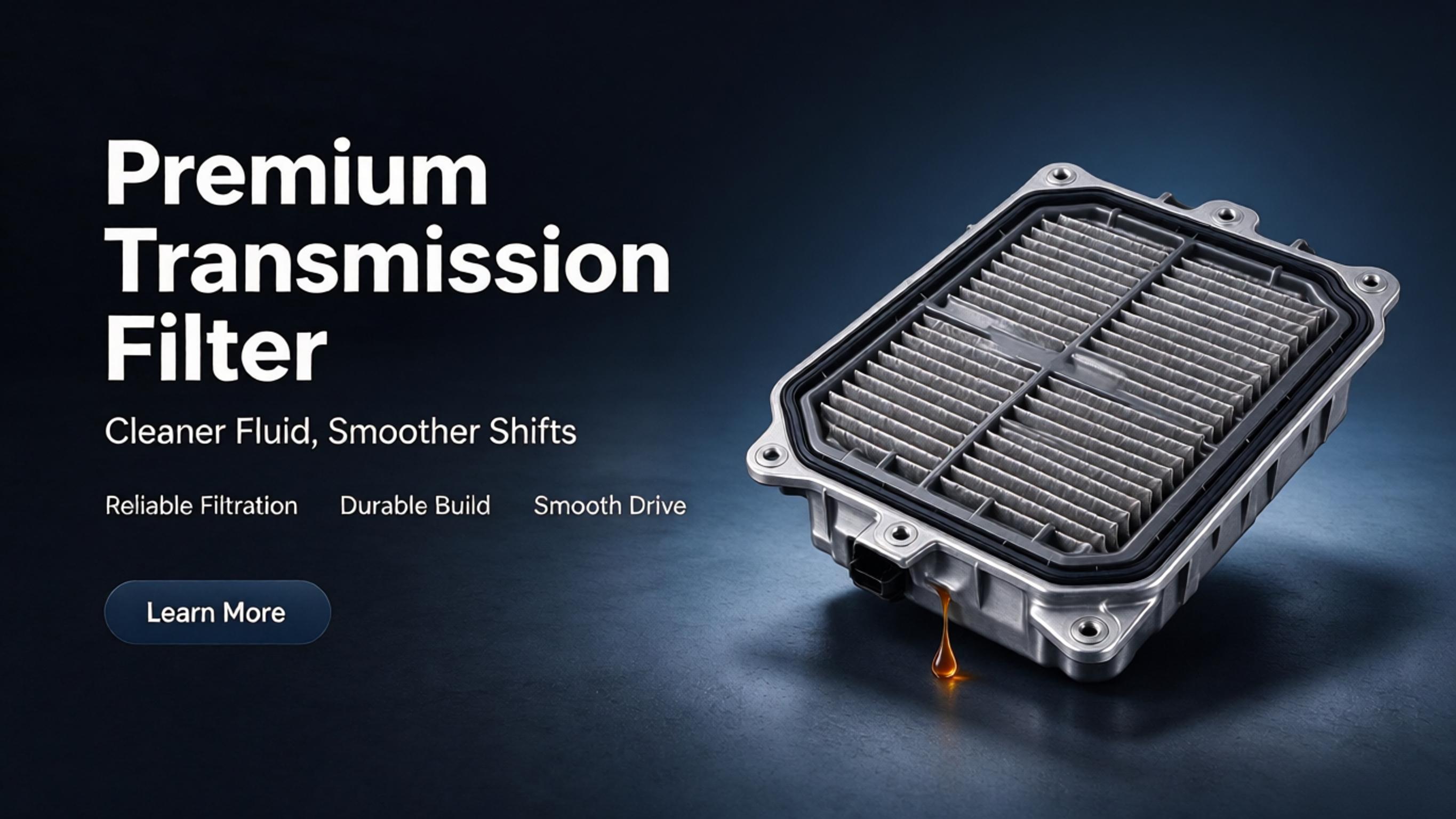
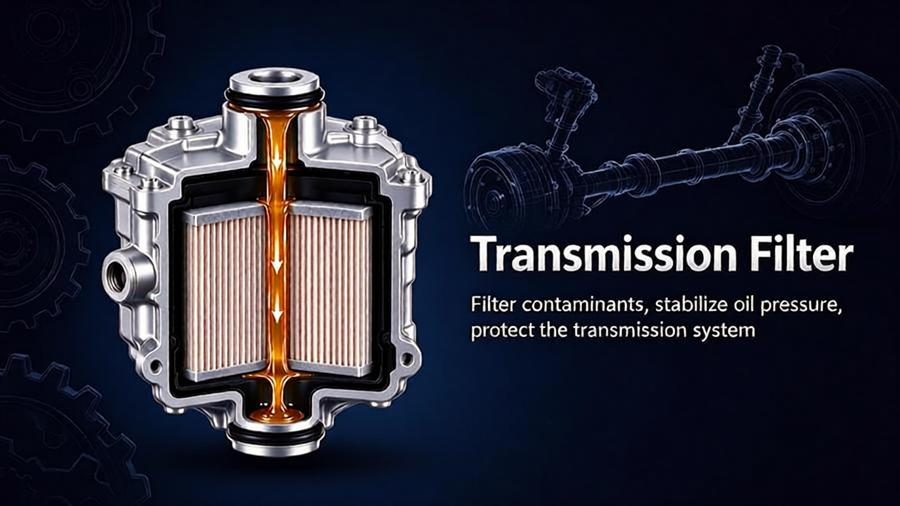
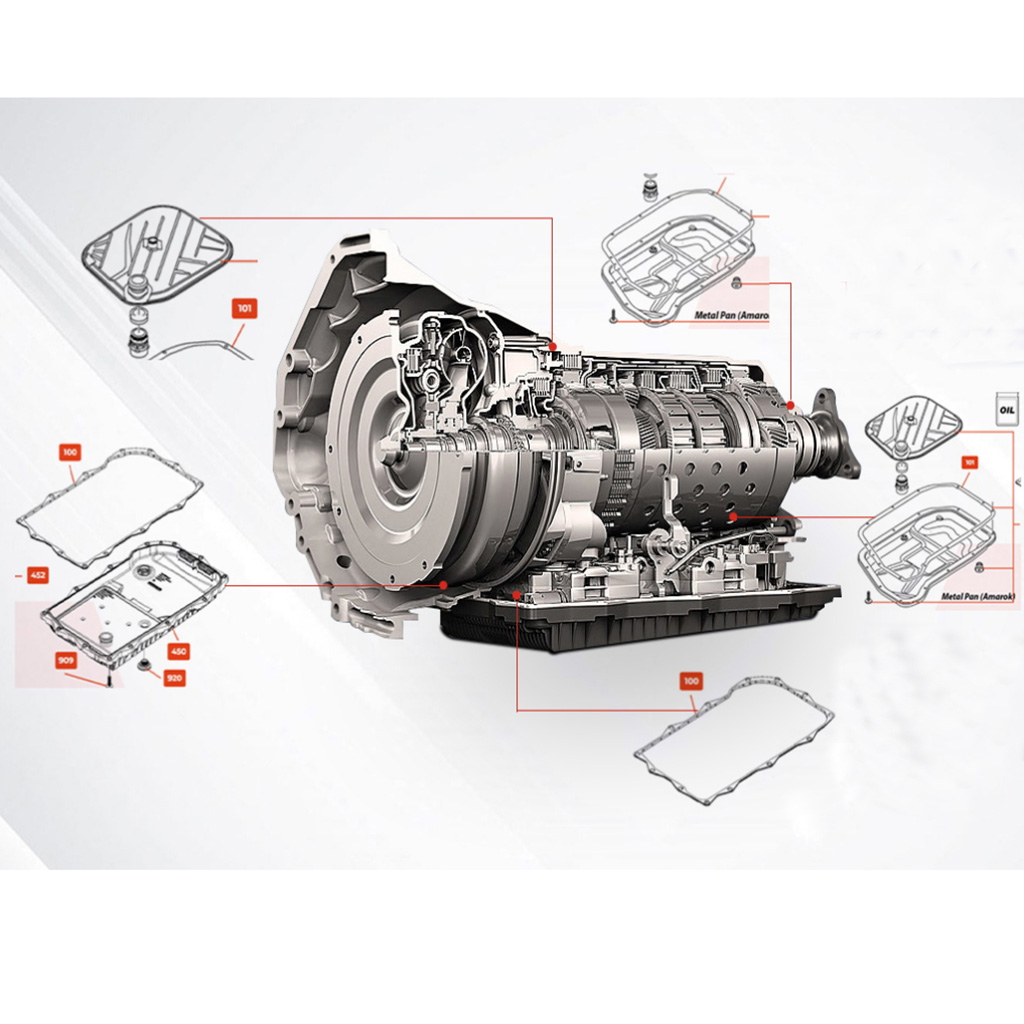
The transmission filter is a minor but a significant component of the transmission system of a vehicle. Essentially, a transmission filter performs a crucial task of filtering the impurities present in the oil before it gets to the various parts of the transmission system. The function of transmission oil is to lubricate and cool the moving components inside the gearbox, but without this filter, the outcome might not be what is desired. As the time passes by, dirt, metal shavings, and other such particles start accumulating in the transmission.
The function of the transmission design renders it susceptible to internal friction and heat, making it necessary to utilize clean fluid. In case of blockages or breakdowns of the filter, impurities may enter the system causing its malfunction or total failure.
Symptoms of a Bad Transmission Filter
Identifying the indications of a malfunctioning transmission filter is crucial when it comes to avoiding expensive restorations and upholding the efficiency of your automobile. The following are some of the most common symptoms:
Transmission slipping: When the filter is obstructed, the flow of liquid is impeded. This results in slipping of the transmission, which refers to the faulty gear shifting in the case that it happens at all. The sensation of slipping is often expressed as a sudden loss of strength or any delay in acceleration.
Harsh gear shifts: If the filter in the transmission fails, dirt and debris in the fluid can result in the gears shifting improperly. Thumps, jerks, or vibration during gear changing can be experienced when this happens. Prolonged exposure to this situation can harm components of the transmission.
Delayed engagement: When you shift your car into gear, the transmission ideally engages smoothly and quickly. However, a faulty filter can slow down this process causing hesitation and possible failure in engaging gear.
Unusual noises: The transmission pump could experience excessive effort due to a blocked or filthy filter, and this could lead to a whining, buzzing, or grinding sound. In general these sounds occur when the transmission needs servicing.
Leaking fluid: In some cases, neglect of the transmission filter might be the reason for fluid leaks, especially in cases when there is no right transmission filter with a gasket. Fluid leak signs could include puddle-like formations below your vehicle as well as low fluid levels during regular checks.
Check engine light: Current technology has enabled modern vehicles to identify issues with their transmission and then turn on the check engine light. It is important to check the transmission filter, once all other possibilities are established.
It is worth mentioning that there is a similarity in symptoms of some transmission troubles. Nevertheless, checking and changing a defective transmission filter is a simple and reasonable maintenance step that may solve a lot of problems in advance.
Impact of a Bad Transmission Filter on Vehicle Performance
The capability of your automobile is highly dependent on the condition of its transmission. A faulty Transmission filter can give rise to:
Reduced fuel efficiency: In case the transmission has to exert more effort because of dirty fluid, then more energy is needed, which results in the vehicle using more fuel. Additionally, more pressure is being put on the engine, which makes fuel economy decrease even further.
Premature wear of transmission components: Contaminated transmission fluid can promote wear on cogs, clutches and other parts. This amplifies the chances of costly repair, including the need for an entire transmission overhaul if the situation is not addressed.
Loss of acceleration and overall power: A car that is slow in its gear shifts can not only be unpleasant to operate, but can also be unsafe.
Increased emissions: Inefficient transmission performance may lead to the poor functioning of the engine and the catalytic converter, resulting in increased emissions and possible failure in emission tests.
Consistent inspection and replacement of the transmission filter is vital for maintaining efficiency, guaranteeing longevity, and steering clear of costly transmission fixes.
Why a Transmission Filter with Gasket Is Essential
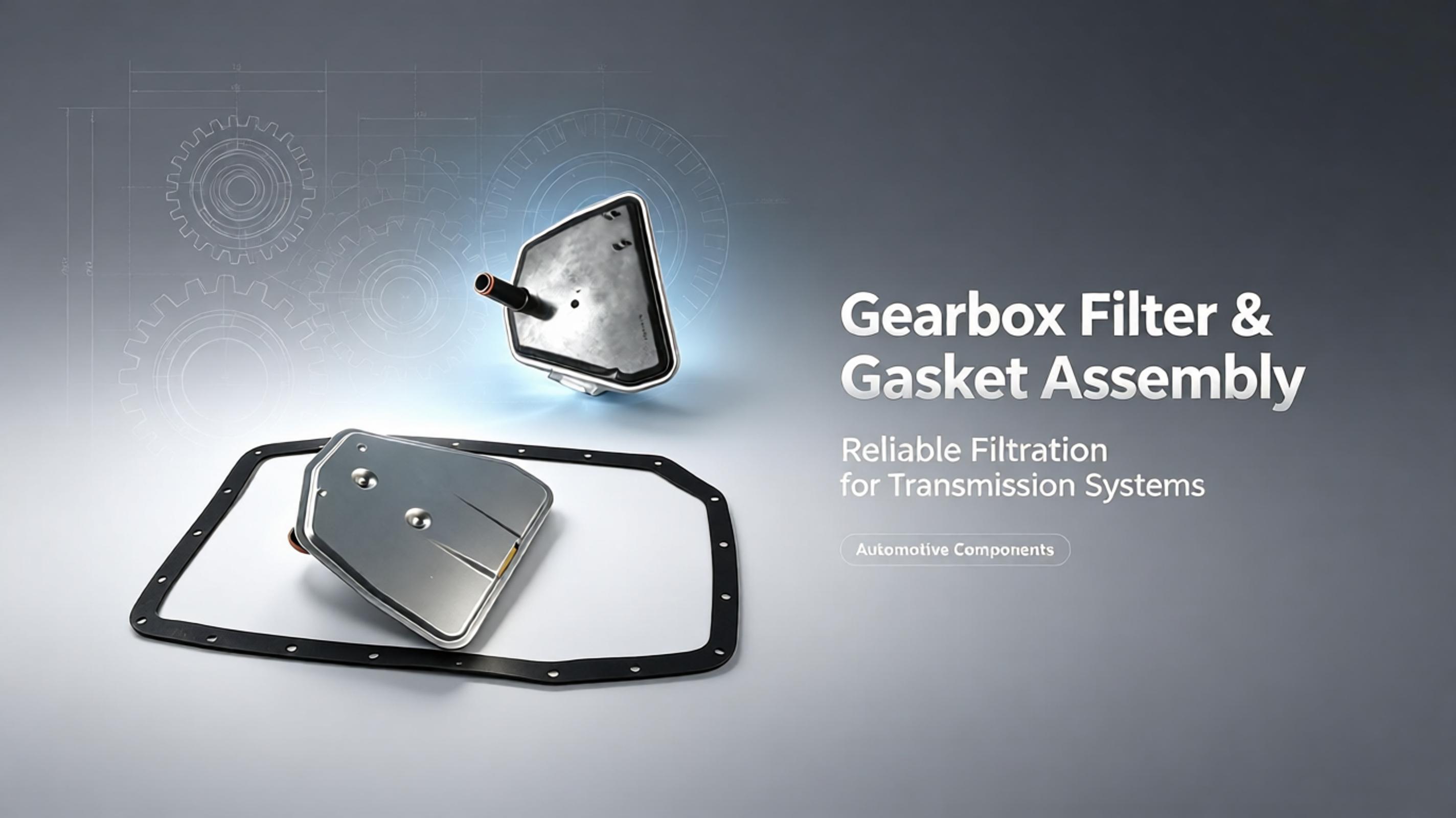
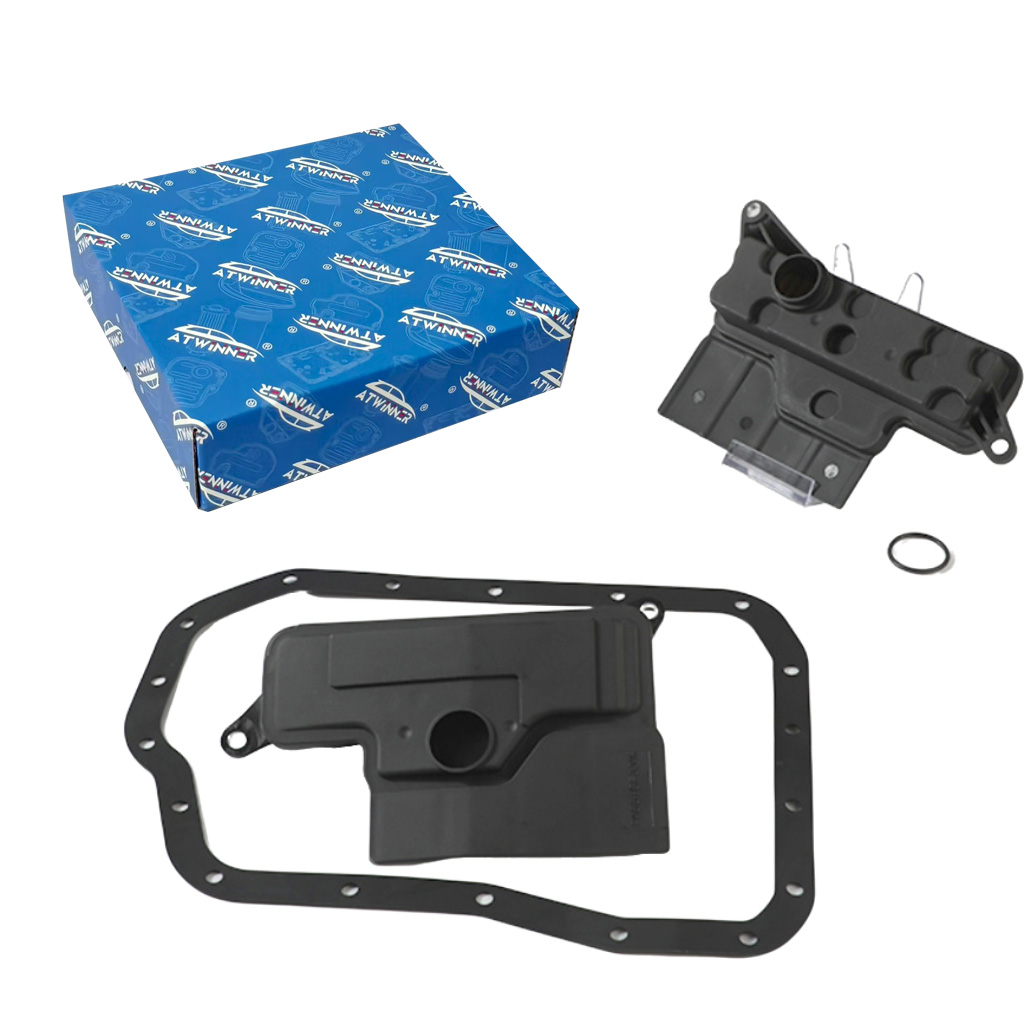
It is important to realize the significance of the Transmission filter with gasket to your transmission service. The gasket ensures that there is no leak by making tight contact between the transmission pan and the unit. Even the best transmission filter cannot work if you do not have a gasket. It allows fluid to leak out and dirt and debris to get inside the system, which defeats the purpose of the filter.
Filter replacement and gasket replacement are often done together during the process of maintenance. This includes draining the old fluid, unbolting the pan, replacing both filter and gasket, and refilling the system with new fluid. Use quality materials to ensure your transmission remains sealed. Gaskets are typically made of durable materials like cork, rubber, and synthetic composites specially made to withstand high pressure and temperature fluctuations.
If you feel uncertain about requiring a gasket for changing a transmission filter, check your vehicle manual or with a reliable mechanic. The existence of transmission filter with Gasket Kit will facilitate the overall undertaking of the task and ensure it is much easier for non-professionals.
Transmission Filter Replacement: How Often and Why?
When should you change your transmission filter? The frequency is related to the vehicle itself as well as the type of driving. Manufacturer specifications often state that filters should be replaced after either 30,000 or 60,000 miles; some newer models even come with a filter which is referred to as “lifetime” and may not require servicing at all unless something goes wrong with the vehicle.
Driving in downtown areas with constant start-and-stop traffic conditions, towing, and driving in dusty surroundings adds extra wear and tear to vehicles. If you purchased a pre-owned vehicle and don't know the service history of the car, changing the transmission fluid and filter is a good way to avoid some surprises later down the road.
Regular transmission filter services helps you find out any other transmission problems at an early stage. While performing your routine maintenance, by checking out the fluid and filter you would have an opportunity to detect any signs of internal malfunctioning early thus allowing you to take action before things may get bad.
Changing the transmission filter regularly is a cheap investment but has a big impact on performance and lifespan of the car.
Commonly Asked Questions About Transmission Filters
Do you need a gasket for a transmission?
The quick answer is yes. A gasket is necessary to provide a proper sealing in the case of almost all automatic transmissions between the transmission pan and the transmission body. This keeps the fluid from leaking out and protects the system from entering pollutants. Not using a gasket or using the old one may cause leaks removing the filtration ability and thereby decreasing the efficiency of the transmission. It is advisable to change the gasket at the same time when changing the filter during regular maintenance.
Can you clean a transmission filter instead of replacing it?
Cleaning and reusing most transmission filters is not advisable since they are designed in such a way that they cannot be cleaned properly. They consist of materials such as fine mesh or pleated paper which might catch particles but are not cleanable. Therefore, it is much better to replace the filters to ensure healthy operation of the transmission.
What happens if you drive with a bad transmission filter?
Using a faulty transmission filter during operation can put your entire vehicle in danger. Debris can block fluid passages, reduce lubrication, lead to overheating, and speed up wear on the components. You can end up incurring more expenses in repair or suffer from a complete failure of your transmission.
Does a manual transmission have a filter?
It is common knowledge that manual gear systems do not contain a filter, meaning their operation is less reliant on lubrication and more on certain gears as well as synchronizers present in the system. However, changing the oil of the gearbox regularly remains critical for debris removal.
How do I know which transmission filter my car needs?
To determine the appropriate transmission filter for your vehicle, you should start with the owner’s manual. In this document, manufacturers reveal the specifications needed for your car, and well-known auto parts stores can help you pick the right type of transmission filter together with gasket kit.
The Cost of Ignoring a Bad Transmission Filter
It's easy to be tempted to defer getting your transmission filter changed, especially when your car seems to be functioning properly. Still, delaying this service could cost you a lot of money. Fixing or replacing a transmission has to be one of the costliest repairs for any automobile, reaching many thousands of dollars. Replacement of the filter is inexpensive and a little maintenance goes a long way to avoid unpleasant surprises.
Neglecting a faulty transmission filter does not only take a toll on your bank account, but it will also influence your experience with a car. Transmission problems may undermine the control of the vehicle, its responsiveness, and the overall safety during driving on the road. Clean fluid and a good filter are essential for the proper functioning of the transmission preventing any breakdown and preparing your car for the road adventures.
Choosing the Best Transmission Filter for Your Vehicle
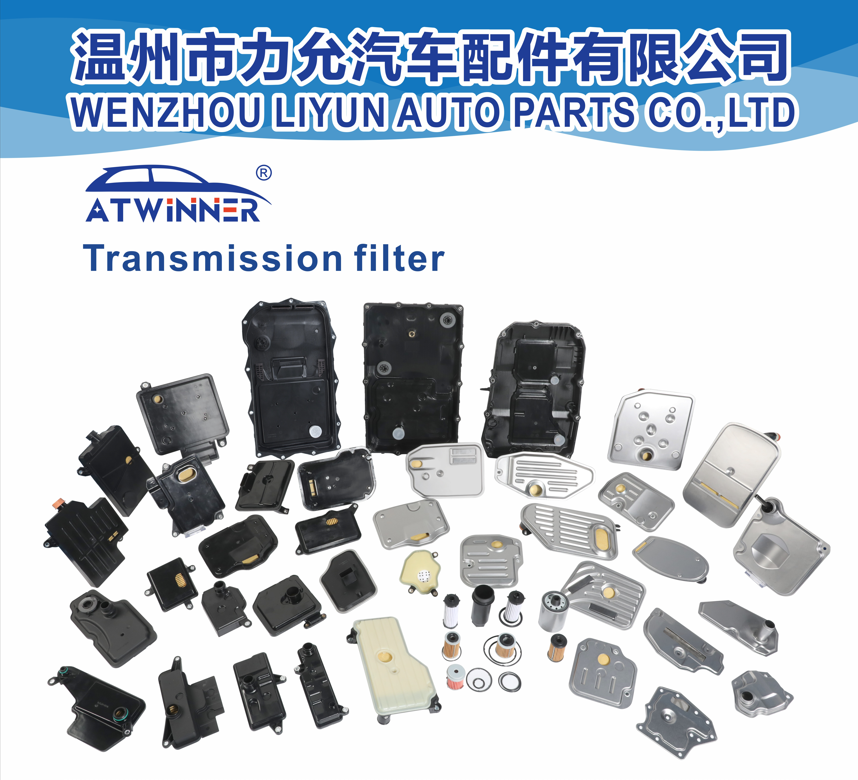
On the market today, a handful of transmission filter brands are available that provide varying levels of durability, reliability, and compatibility. When selecting a transmission filter (or a Transmission filter with gasket), use the following considerations:
OEM vs. aftermarket: OEM filters are manufactured according to the specific requirements of your car. While aftermarket filters may be cheaper, ensure you know their quality and reliability before you buy.
Material and design: The use of top-quality materials like fine mesh, synthetic blends, or metal encasements helps to guarantee that the filter can endure heat and pressure for longer durations.
Compatibility: To check if the filter is appropriate for your vehicle, verify the year, make, and model. Using an incorrect filter can result in unsuccessful filtering results and possible issues.
Kit inclusions: Purchasing a complete kit that consists of both filters together with gaskets is advisable in order to make sure you have everything needed for proper installation.
Getting a good transmission filter for your vehicle proves to be helpful as it will help protect your transmission system, enhance efficiency, and extend the car’s lifespan.
Transmission Filter Maintenance Best Practices
Proper maintenance practices help to reap its full benefits from the transmission filter and system. Here are several recommendations.
1. Watch for early signs of transmission trouble such as shifting issues, unusual noises, or fluid leaks—address them promptly.
2. Follow your manufacturer’s recommended maintenance schedule, adjusting for severe driving conditions if necessary.
3. Use only approved transmission fluid and change it along with the filter as part of routine service.
4. Consider servicing your transmission at reputable auto shops or learning DIY techniques with guidance from authoritative sources.
5. Inspect the transmission pan and gasket for corrosion, cracks, or damage during filter replacement—replace as needed.
By taking a proactive approach, you ensure that your vehicle’s transmission remains in peak condition, reducing risk and enhancing your overall driving experience.
Environmental Impact of Transmission Filter Maintenance
Maintaining your transmission filter isn’t just about performance—it’s also about sustainability. Clean transmission fluid promotes efficient operation, reducing fuel consumption and minimizing harmful emissions. Used transmission filters and fluid should always be disposed of in accordance with local regulations; recycling programs are available in many communities for automotive waste. Responsible maintenance helps preserve the environment and ensures that future generations can enjoy reliable transportation without undue impact.
By understanding the wide-reaching importance of the Transmission filter, you play a part in both vehicle longevity and environmental stewardship.
In conclusion, the health of your transmission filter directly affects your vehicle’s performance, safety, and longevity. Recognizing symptoms, maintaining routine service, and insisting on high-quality parts like transmission filter with gasket kits are the best ways to ensure trouble-free operation. A bad transmission filter can begin as a minor inconvenience but grow into a major financial and mechanical headache if neglected. By investing in regular filter and fluid changes, you preserve the transmission’s integrity, maximize your driving enjoyment, and extend the lifecycle of your vehicle. For those seeking ultimate peace of mind, always consult your owner’s manual, rely on credible mechanics, and use reputable parts—your transmission will thank you for it.