





How Much Does It Cost to Replace a Transmission Filter?
If you’re noticing strange noises, shifting problems, or slipping gears in your vehicle, you may be wondering whether the issue lies with your transmission filter. Although this small but crucial component is often overlooked, it plays a major role in keeping your transmission fluid clean and your auto transmission running as it should. In this comprehensive guide, we’ll not only answer the question: “How much does it cost to replace a transmission filter?” but delve into everything else you need to know—price factors, symptoms, replacement process, DIY versus professional options, and related FAQs. By the end, you’ll be well equipped to make the best maintenance decision for your vehicle.
Understanding the Role of the Transmission Filter
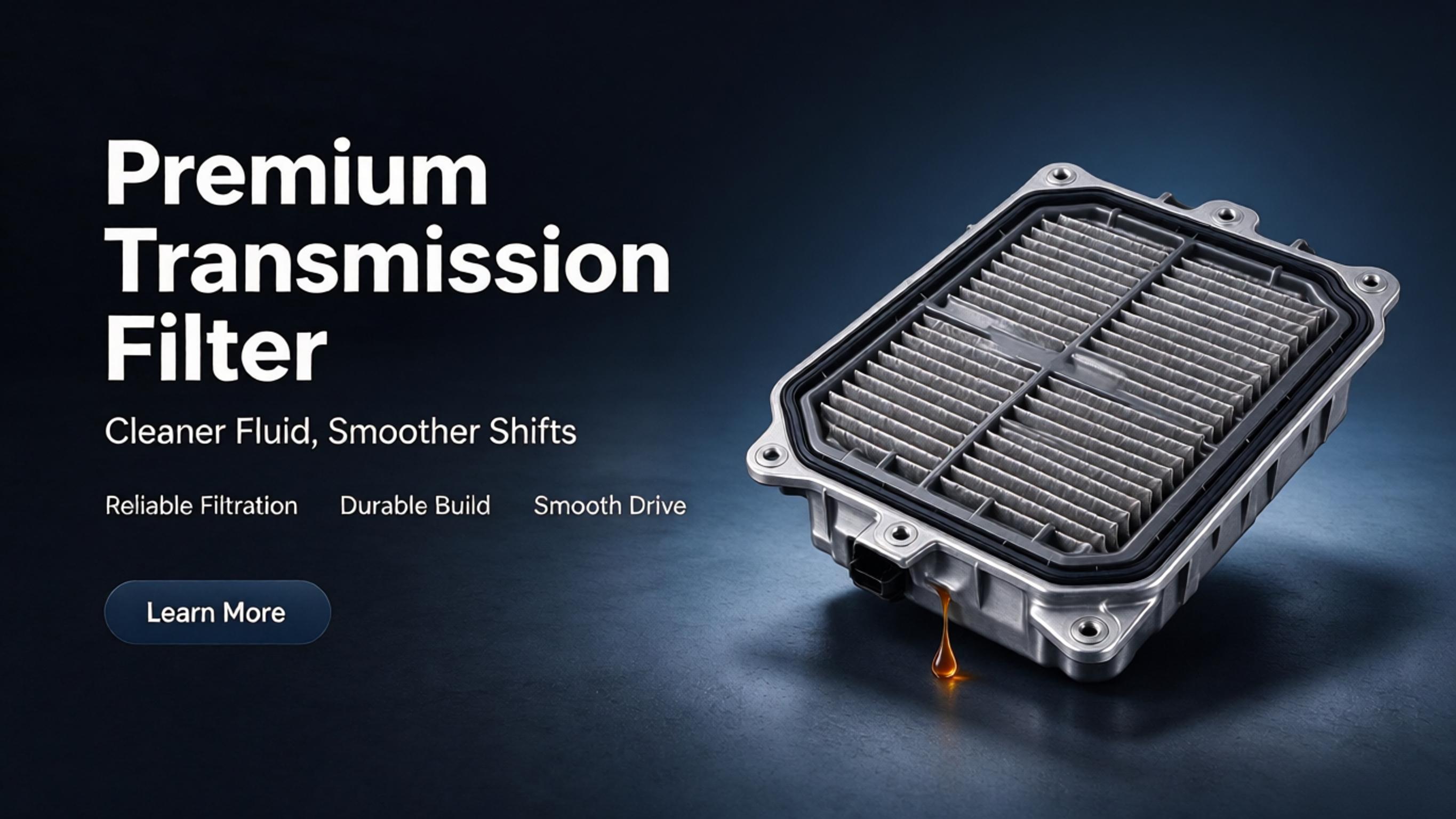
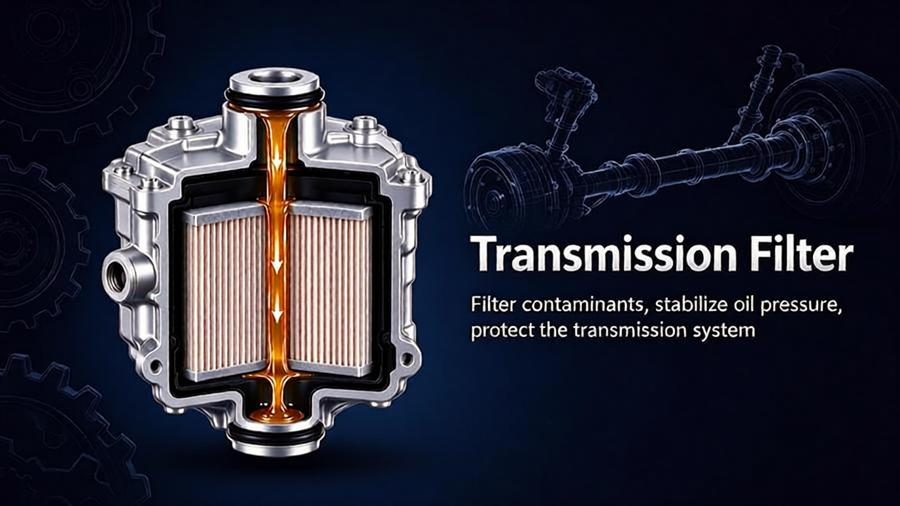
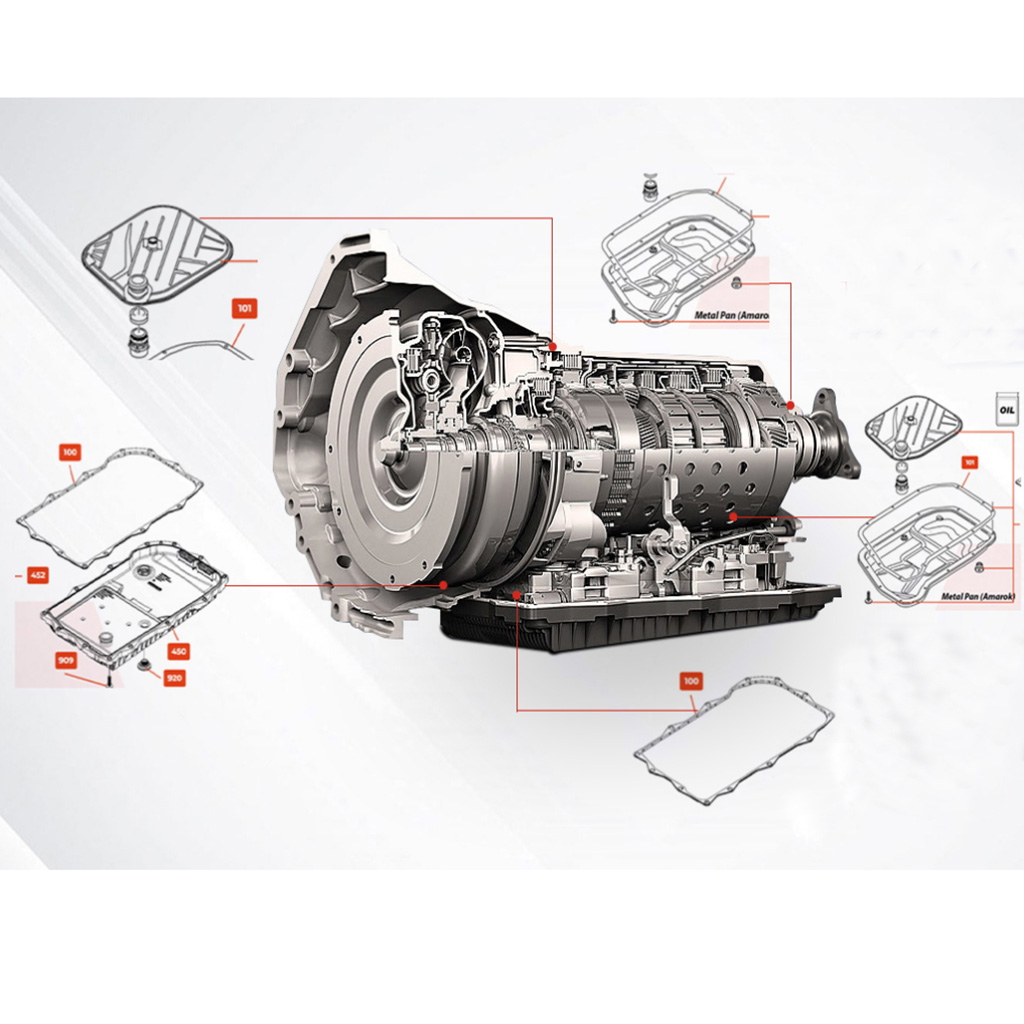
Before we jump into cost factors, it’s important to grasp why the transmission filter matters. Automatic transmissions are complex systems with many moving parts. They rely on clean, lubricated fluid to operate smoothly. The transmission filter traps dirt, metal shavings, debris, and contaminants that could circulate in the fluid, protecting delicate components inside the transmission.
Without regular replacement, a clogged filter can impede fluid flow, causing symptoms like harsh shifting, delayed engagement, transmission overheating, and ultimately internal damage. That’s why many manufacturers recommend inspection—and sometimes replacement—every 30,000 to 60,000 miles, although your owner’s manual will provide model-specific guidance.
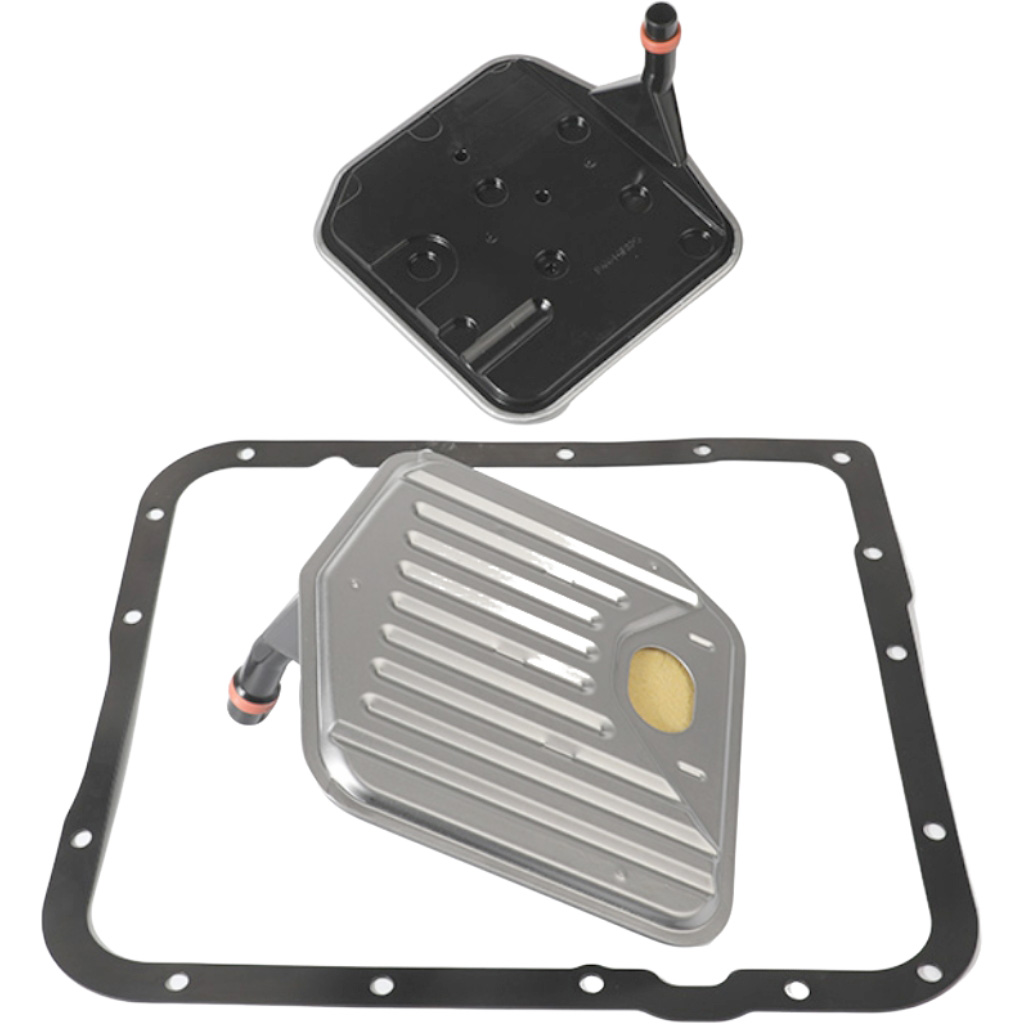
Transmission Filter Replacement Cost: What to Expect
The answer to “How much does it cost to replace a transmission filter?” depends on several factors:
1. Vehicle Make and Model: The complexity of the transmission layout varies significantly between cars, SUVs, trucks, and imports. Some vehicles require extensive removal of parts to access the filter, while others are relatively straightforward.
2. Type of Transmission: Most filter replacements are performed on automatic transmissions, but some CVTs and manual transmissions don’t use a traditional filter at all. Parts and labor can vary accordingly.
3. Parts Selection: High-quality filters, especially those paired with a new gasket (sometimes sold as a transmission filter with gasket kit), will cost more than aftermarket or generic ones. Always check compatibility to avoid leaks or performance issues.
4. Labor Rates: Local labor rates, which may be $60–$120 per hour in the U.S., are a major contributor to total cost. Complex vehicles or luxury brands might have higher rates and longer labor times.
The typical cost to replace a transmission filter falls between $80 and $250. On average:
- Parts: Transmission filter (with gasket): $20–$50; Transmission fluid (if changed): $40–$80
- Labor: $60–$180 (depending on vehicle and local rates)
If added services, like transmission flush or pan cleaning are performed, expect a slightly higher bill.
Signs You Need to Replace Your Transmission Filter
If you’re unsure whether your car is due for a filter replacement, watch out for these telltale symptoms:
Transmission Slipping: When contaminated fluid can’t flow freely, your gears may slip, making it hard to accelerate and causing engine revving without power delivery.
Hard or Erratic Shifting: A clogged filter can cause abrupt, delayed, or noisy shifting. This can feel like your vehicle is jerking between gears or shifting far too late.
Strange Noises: Listen for whining, grinding, or clunking—these noises often signal transmission distress due to insufficient fluid lubrication or contamination.
Fluid Leaks: Old gaskets or improper installation can lead to leaks. Low fluid levels may compound transmission problems over time.
Warning Lights: Always heed transmission or check engine lights appearing on your dashboard; they may indicate filter or fluid issues.
DIY vs. Professional Transmission Filter Replacement
Many drivers wonder if they can change their own transmission filter and save money. The answer depends on your comfort level, tools, and the make/model of your vehicle. Here’s what you need to know:
Replacing the filter isn’t as simple as changing oil. You’ll need to:
- Lift and secure the vehicle safely.
- Remove the transmission pan (this can be messy; fluid will spill).
- Remove the old filter and gasket, clean the pan and magnets, and install new components.
- Replace lost transmission fluid and check levels precisely (too much or too little can harm the system).
- Reassemble, tighten bolts to spec, and check for leaks.
DIY replacement can be rewarding, but a mistake—like improper gasket placement or missing fluid—can cause expensive damage. If you’re unsure, hiring a professional is wise. Expect to pay more for dealership service versus independent shops, but always ask for a full breakdown of parts, labor, and warranty.
Transmission Filter with Gasket: Why Kits Are Popular
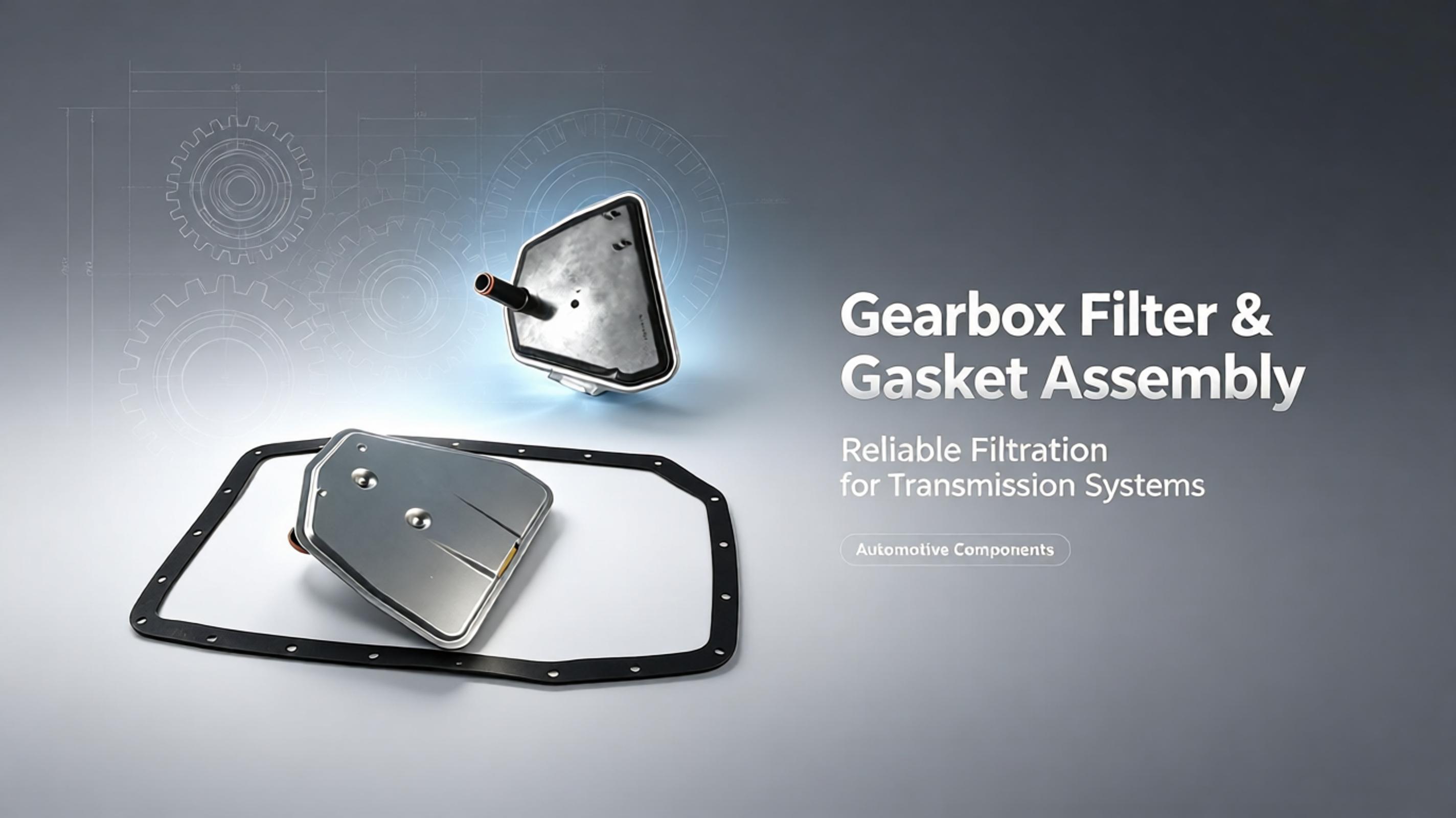
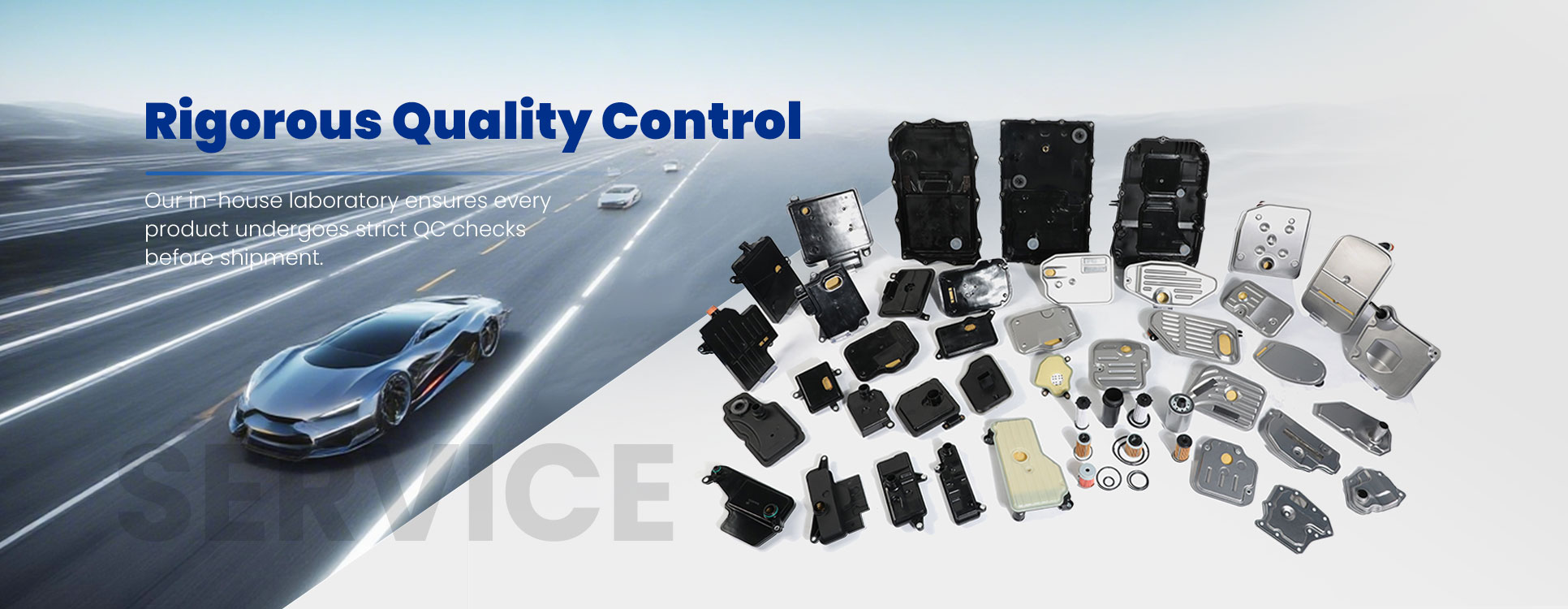
When replacing your transmission filter, you’ll also need a sturdy new gasket to create a leak-proof seal between the pan and transmission body. Most modern filter kits include both the filter and gasket—sometimes called a transmission filter with gasket kit.
These kits offer convenience and compatibility, ensuring all parts match your transmission's exact specifications. Using the old gasket may seem cheaper, but it risks leaks, slipping, and contamination—costing far more in future repairs. Always verify that a kit fits your specific vehicle make, model, and year for best results.
How to Change Transmission Filter and Gasket: Step-by-Step Guide
If you’re ready for a hands-on project, here’s a detailed procedure for a typical automatic transmission. (Always consult your owner’s manual for vehicle-specific nuances!)
- Park the car on a flat surface, allow the engine to cool, and lift securely with jack stands or ramps.
- Place a drain pan under the transmission. Loosen pan bolts gradually—fluid will begin to drain.
- Remove the pan. Clean its surface, magnets, and discard the old gasket.
- Locate the filter; it’s usually held with screws or clips. Carefully remove it.
- Install the new filter, ensuring it seats perfectly. Place the new gasket between the pan and transmission housing.
- Reattach the pan. Tighten bolts sequentially, not all at once, to prevent warping or leaks.
- Add new transmission fluid via the dipstick tube. Refer to your manual for type and volume. Running the engine and shifting through all gears helps circulate fluid and reveals leaks.
- Check fluid level and re-top as needed. Dispose of old fluid responsibly.
Some vehicles require clutch adjustments, sensor connections, or torque specs—so always double-check. If you lack tools or experience, it’s reasonable to seek professional help.
Factors Affecting Cost: Additional Considerations
The quoted price for a transmission filter replacement can fluctuate depending on:
Location: Metropolitan areas tend to have higher labor rates than rural regions.
Dealer vs. Independent Shop: Dealers often charge more but carry OEM parts and have specialized techs. Independent shops may offer lower rates and quicker turnaround for common vehicle brands.
Fluid Brand: Premium synthetic transmission fluids cost more but may be required for modern or high-performance vehicles.
Transmission Flush: Some shops recommend flushing the full transmission fluid along with the filter change—this can add $100–$250 to the quote, but isn’t always necessary unless fluid is severely degraded.
Warranty: Certain shops or dealers guarantee filter installations for a limited period, providing peace of mind.
Frequently Asked Questions About Transmission Filters
How often should I replace my transmission filter?
Most vehicle manufacturers suggest inspecting or replacing the filter every 30,000 to 60,000 miles. However, driving habits, towing, stop-and-go city traffic, or harsh conditions may require shorter intervals.
How to change Transmission Filter And Gasket?
It involves removing the transmission pan, swapping out the old filter, installing a new gasket, and adding fresh fluid. See the stepwise instructions above for full detail, or consult a repair manual tailored to your car.
Can I just change the transmission fluid without the filter?
You can, but it’s not recommended. Contaminants inside the filter can quickly dirty new fluid, undermining performance and causing future issues. Most shops replace filter and fluid together for optimal protection.
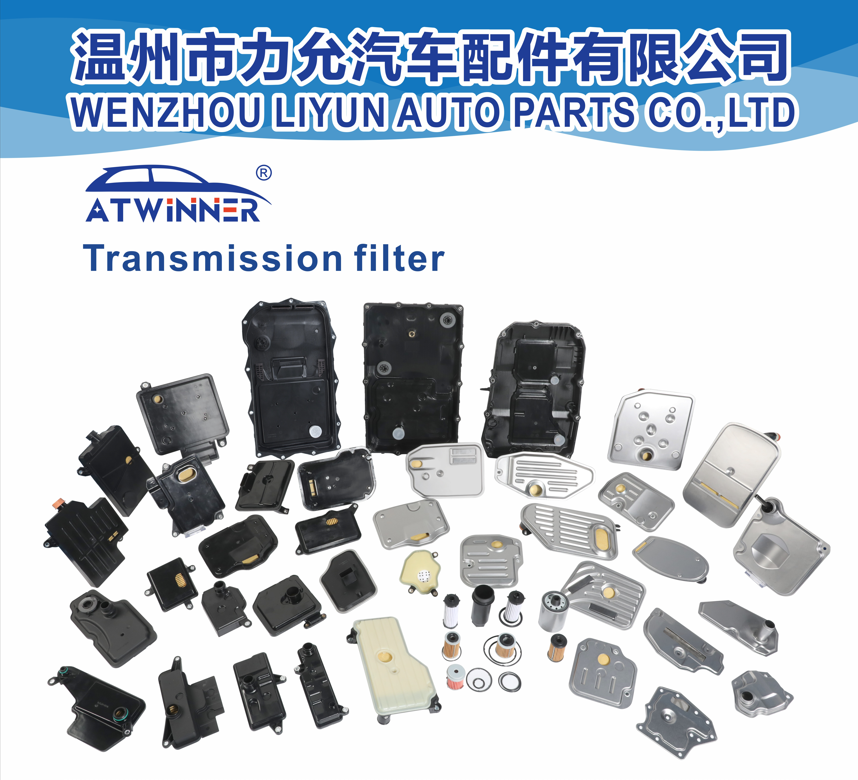
Are Transmission Filter Kits universal?
No. Always confirm compatibility with your make, model, and year, especially if buying online. Even similar-looking kits may differ in fit or fluid requirements.
What happens if I don’t replace my transmission filter?
Ignoring it can lead to restricted fluid flow, overheating, shifting issues, and eventual transmission failure—one of the most costly repairs a car owner can face.
What are signs of a failing transmission filter?
Symptoms include slipping gears, harsh or delayed shifting, leaking fluid, strange noises, and warning lights. Don’t wait to address these, as small problems can grow into major ones.
Transmission Filter Maintenance Tips
Keeping your filter (and fluid) fresh is an investment in your vehicle’s longevity and performance. Here are some smart habits:
Monitor Fluid Levels: Regularly checking your transmission fluid can reveal leaks, contamination, or levels that signal a filter needing attention.
Use Correct Fluid Type: Each transmission requires specific fluid—using the wrong type can damage your vehicle and void warranties.
Inspect for Leaks: Check for puddles under the car and investigate any burning smells or smoke, which may indicate leaks from a compromised gasket or seal.
Trust Professionals: If you’re unsure about symptoms or maintenance intervals, trusted mechanics can check your system and recommend timely replacement.
Cost Comparison: Transmission Filter Replacement vs. Transmission Repair
Transmission repairs can be notoriously expensive, sometimes costing thousands of dollars. By comparison, replacing a transmission filter and fluid is a fraction of the cost—often less than $200 for most vehicles. Regular maintenance prevents catastrophic failures and maximizes smooth performance and resale value.
Delaying filter changes invites bigger expenses. Transmission rebuilds (often $1,500–$4,000), or even total replacements ($3,000–$7,000+), are much more costly, inconvenient, and time-consuming. Consider filter replacement a routine investment with excellent returns.
Finding the Right Transmission Filter Kit
When shopping for a transmission filter (or a transmission filter with gasket kit), be sure to:
- Check compatibility with your vehicle’s year, make, and model.
- Read customer reviews for fit quality and durability.
- Avoid ultra-cheap kits that may use inferior materials.
- Ask repair shops about warranty coverage or preferred brands.
Online retailers, brick-and-mortar auto parts stores, and professional repair shops all offer kits, but prices may vary. Don’t overlook installation costs when calculating your budget.
Environmental Responsibility: Proper Disposal of Old Transmission Fluid
When changing your transmission filter, the old fluid should never be poured down drains or onto the ground. Most cities and states have recycling facilities, auto centers, or hazardous waste collection sites that accept used transmission fluid and filters. Proper disposal protects groundwater and ensures compliance with environmental laws.
Some shops will handle disposal for you, while DIYers should check local regulations.
The Importance of a Clean Transmission Filter for Vehicle Longevity
Clean transmission fluid ensures optimum lubrication, minimal wear, and temperature control for your transmission’s inner workings. The transmission filter serves as the first line of defense—catching harmful particles and extending the life of both your fluid and transmission. By investing in timely filter replacement, you safeguard against expensive repairs, unpredictable breakdowns, and loss of vehicle value.
Many drivers report improved shifting, quieter operation, and noticeable performance gains after fresh filter and fluid are installed. Don’t neglect this maintenance—your car, truck, or SUV will thank you for years to come.
In summary, replacing your transmission filteris a smart, cost-effective maintenance step that can save thousands in long-term repair costs. The typical price ranges from $80 to $250, depending on your vehicle and type of service. Stay alert for warning signs, follow recommended intervals, and rely on a quality transmission filter with Gasket Kit to ensure leak-free, dependable operation. Proper care equals a longer vehicle life, better performance, and peace of mind—making filter replacement one of the most worthwhile investments in car care.